

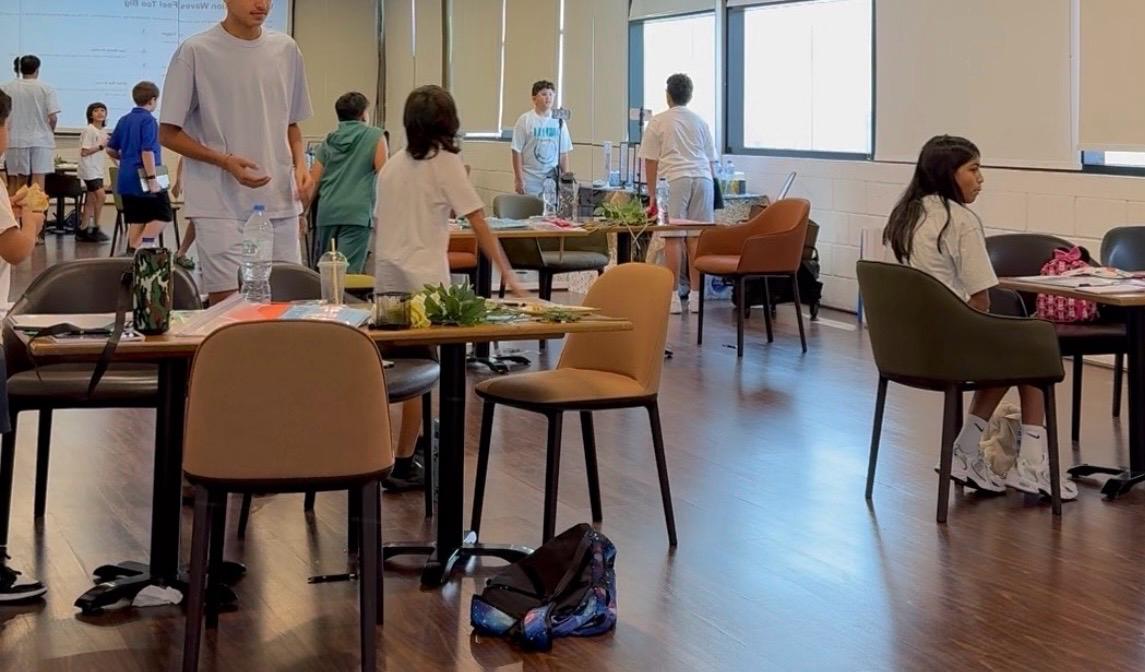
The slammed door. The tears over a “small” thing. The worry that won’t switch off at bedtime. Big emotions are not bad behaviour — they are emotions bigger than your child’s current skills. And skills can be taught.
The one idea that changes everything
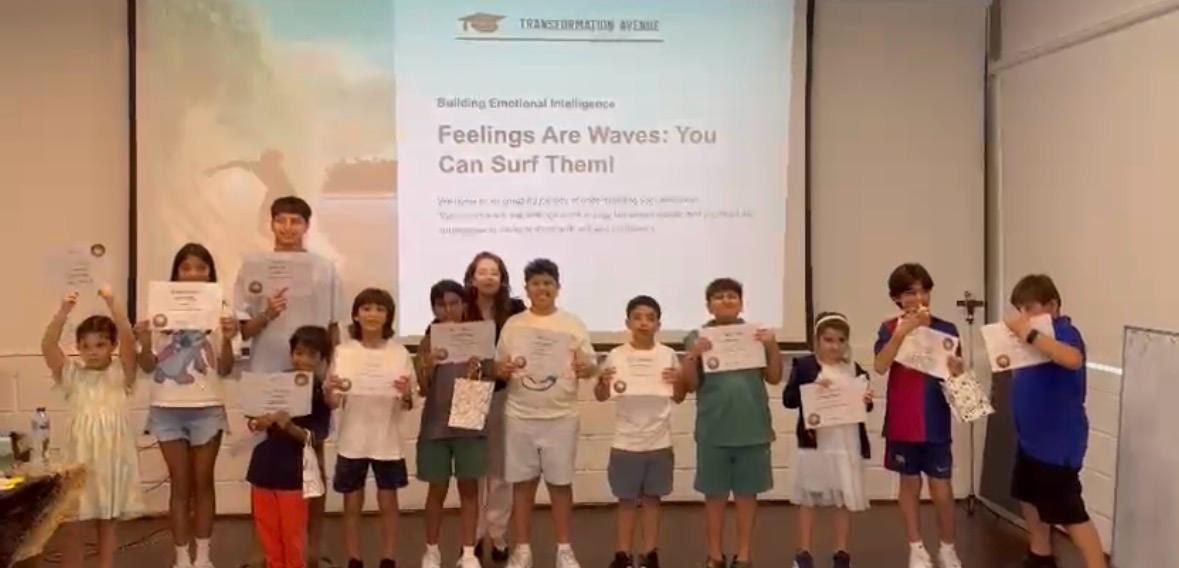
In our workshops we teach children: “Feelings are waves — you can surf them.” A feeling rises, peaks, and always passes. Children who learn this stop being afraid of their own emotions, and that is the foundation of emotional intelligence.
The 4-step coaching method
1. Name it to tame it
“You seem really frustrated.” Naming an emotion literally calms the brain’s alarm system. Build a rich feelings vocabulary early — frustrated, disappointed, nervous, embarrassed — because a child who can say it doesn’t need to scream it.
2. Accept the feeling, limit the behaviour
“It’s okay to be angry. It’s not okay to hit.” Both halves matter. Feelings are always allowed; actions have limits.
3. Breathe first, talk second
No one — adult or child — can reason mid-storm. Teach one “dragon breath”: in through the nose for 4, out through the mouth for 6, three times. Practise it when everyone is calm, so it’s there when it counts.
4. Solve it together — afterwards
Once calm: “What could we try next time?” Two or three ideas, let the child pick one. Now a meltdown becomes a lesson.
What NOT to say
- “Stop crying” — teaches feelings should be hidden
- “It’s nothing” — it isn’t nothing to them
- “Big boys/girls don’t get scared” — everyone gets scared; brave people act anyway
Age by age
🌱 4–6: feelings faces, naming emotions, dragon breaths. 🤝 7–9: the waves idea, friendship conflicts. 💡 10–12: self-regulation before tests and matches. 🧭 13–15: stress management and pressure. 🚀 16–18: exam nerves and interview anxiety.
How Transformation Avenue helps
Emotional intelligence is one of our four pillars. We coach it in one-to-one sessions, and our free printable “My Plan B Superpower Sheet” gives your family a fridge-ready tool for the next big-feelings moment. More tools live in the Parent Resource Hub.
💛 Part of The Parent Resource Hub — helping parents raise confident children one conversation at a time.
Leave a Reply